Automotive EMC testing has become increasingly important with the rapid development of electric vehicles, autonomous driving systems, ADAS electronics, onboard communication systems, and high-speed vehicle networking technologies.
Modern vehicles contain a large number of electronic control units (ECUs), RF wireless modules, radar systems, switching power electronics, and high-voltage battery systems. These electronic devices must continue operating reliably in complex electromagnetic environments without causing electromagnetic interference.
This article explains common automotive EMC testing requirements, major EMC standards used in the automotive industry, and typical EMC test equipment used for vehicle EMC compliance evaluation.
Why Automotive EMC Testing Is Critical
Automotive electronic systems operate in highly complex electromagnetic environments.
Electromagnetic interference inside vehicles may affect:
– ECU communication
– Radar systems
– Battery management systems
– Infotainment systems
– CAN / LIN communication
– Autonomous driving sensors
EMC failures in automotive electronics may lead to safety risks, communication instability, or system malfunction.
As electric vehicles continue expanding globally, automotive EMC compliance requirements are becoming stricter.
Common Automotive EMC Standards
Several EMC standards are widely used in automotive EMC testing.
Typical automotive EMC standards include:
– ISO 11452
– CISPR 25
– ISO 7637
– UNECE R10
– OEM-specific EMC standards
ISO 11452 is commonly used for automotive radiated immunity testing.
CISPR 25 evaluates conducted and radiated emissions generated by vehicle electronic components.
Different OEM manufacturers may also define their own EMC test procedures and field strength requirements.
Automotive Radiated Immunity Testing
Radiated immunity testing evaluates whether automotive electronic systems can operate normally under RF electromagnetic field exposure.
Typical automotive EMC immunity test setup includes:
– RF signal generator
– RF power amplifier
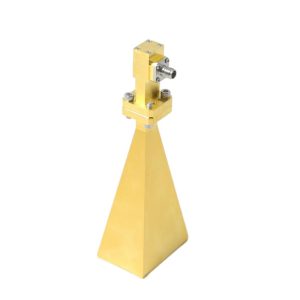
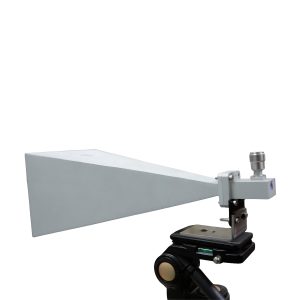
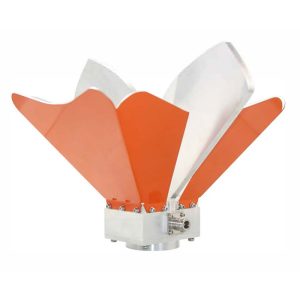
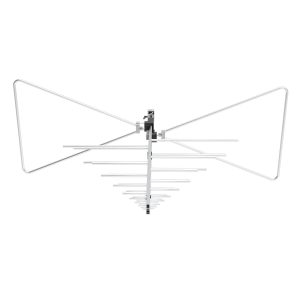
– Broadband EMC antennas
– Field probes
– Semi-anechoic chamber
Automotive EMC testing often requires higher RF field strength than standard commercial EMC testing.
High-power RF amplifiers for automotive EMC testing are commonly used for ISO 11452 radiated immunity applications.
Different EMC antenna types are selected depending on frequency range and DUT dimensions.
For broadband automotive EMC testing, log-periodic EMC antennas and horn antennas are frequently used in semi-anechoic chambers.
Conducted Emission and Conducted Immunity Testing
Conducted EMC testing evaluates electromagnetic noise transmitted through power lines and communication cables.
Typical automotive conducted EMC tests include:
– Conducted emission testing
– Bulk current injection (BCI)
– Conducted immunity testing
– Transient immunity testing
LISNs and coupling networks are commonly integrated into automotive EMC test systems.
Automotive EMC laboratories often use LISN equipment for conducted emission measurement during CISPR 25 testing.
EMC Chamber Requirements for Automotive Testing
Automotive EMC testing requires stable and repeatable EMC chamber environments.
Typical automotive EMC chamber requirements include:
– Proper absorber performance
– Accurate field uniformity
– Stable grounding structure
– Low ambient RF noise
– Sufficient chamber size
Depending on DUT size and OEM standards, automotive EMC testing may use:
– 3m chambers
– 5m semi-anechoic chambers
– Full vehicle EMC chambers
Many manufacturers also require customized automotive EMC laboratory setup solutions for internal EMC validation and pre-compliance testing.
EMC Challenges for Electric Vehicles (EV)
Electric vehicles create additional EMC challenges because of high-voltage switching systems and high-current battery operation.
Typical EV EMC issues include:
– High-frequency inverter noise
– DC-DC converter interference
– Motor switching harmonics
– Charging system emissions
– Battery communication interference
As EV technologies continue evolving, automotive EMC testing requirements are becoming more demanding across both emission and immunity testing categories.
Automotive EMC Pre-Compliance Testing
Many automotive suppliers now perform EMC pre-compliance testing before official OEM certification.
Benefits include:
– Faster EMC debugging
– Lower redesign cost
– Improved EMC reliability
– Reduced certification delays
Pre-compliance EMC systems are especially useful during ECU development and EV platform design stages.