Electric vehicles (EVs) contain significantly more power electronics, communication systems, and high-frequency switching devices than traditional internal combustion vehicles. As a result, EMC testing has become a critical requirement throughout EV development, certification, and production.
From battery management systems and onboard chargers to traction inverters and autonomous driving sensors, every electronic subsystem must meet stringent EMC requirements to ensure reliable vehicle operation.
Why EMC Is Critical for Electric Vehicles
Modern EV platforms integrate multiple electronic systems operating simultaneously.
Typical systems include:
* Battery Management Systems (BMS)
* Motor controllers
* DC-DC converters
* Onboard chargers
* Radar modules
* Vehicle communication networks
* Infotainment systems
Electromagnetic interference generated by one subsystem can affect nearby electronics and compromise overall vehicle performance.
For this reason, EV manufacturers invest heavily in EMC validation during product development.
Key EMC Standards Used in EV Testing
Several international EMC standards are commonly applied to electric vehicle electronics.
CISPR 25
CISPR 25 evaluates conducted and radiated emissions from automotive electronic components.
Testing focuses on protecting onboard receivers and communication systems from electromagnetic interference.
ISO 11452
ISO 11452 defines radiated immunity testing procedures for automotive electronics.
Electronic modules are exposed to RF electromagnetic fields while engineers monitor operational performance.
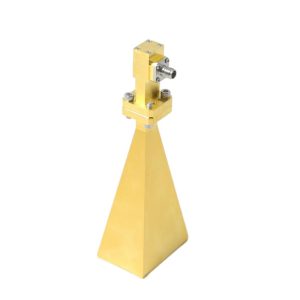
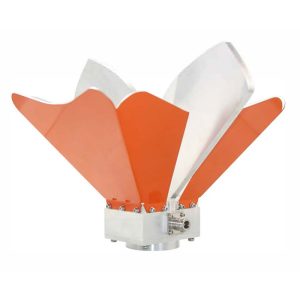
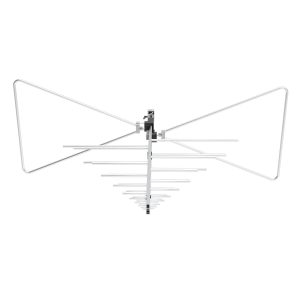
High-field-strength testing typically requires RF power amplifiers and broadband EMC antennas capable of covering automotive test frequency ranges.
ISO 7637
ISO 7637 evaluates transient disturbances present on vehicle power networks.
The standard simulates electrical events caused by switching operations and power system fluctuations.
Common EMC Challenges in EV Platforms
Electric vehicles introduce several EMC challenges not commonly encountered in conventional vehicles.
High-Voltage Inverter Noise
Traction inverters generate high-frequency switching signals that can produce broadband electromagnetic emissions.
These emissions may couple into nearby vehicle systems if filtering and shielding are insufficient.
DC-DC Converter Interference
DC-DC converters operate continuously and often become major sources of conducted emissions.
Poor converter layout and inadequate filtering can result in EMC compliance failures.
Charging System EMC Issues
Fast charging systems handle high power levels and can generate significant conducted and radiated noise.
EMC evaluation of charging infrastructure has become increasingly important as charging power continues to increase.
Radiated Immunity Requirements for EV Electronics
Automotive electronics must continue operating normally when exposed to external RF fields.
Common immunity test targets include:
* ECU modules
* Battery management systems
* Radar units
* Communication gateways
* Charging controllers
Automotive EMC laboratories frequently use log-periodic antennas, horn antennas, and field probes to perform ISO 11452 radiated immunity testing.
Field strength levels are often higher than those used in standard commercial EMC testing programs.
Conducted Emission Testing for EV Components
Conducted emission testing evaluates electromagnetic noise transmitted through power cables and communication wiring.
Common measurement equipment includes:
* EMI receivers
* LISNs
* Current probes
* Shielded test environments
Automotive EMC laboratories often integrate LISN systems into CISPR 25 measurement setups to ensure repeatable conducted emission measurements.
Importance of EV EMC Pre-Compliance Testing
Many EV suppliers perform EMC pre-compliance testing before submitting products to OEM qualification laboratories.
Pre-compliance testing helps identify:
* Noise sources
* Grounding weaknesses
* Shielding problems
* Cable coupling effects
* Power integrity issues
Early EMC validation reduces redesign costs and shortens development cycles.
Manufacturers building internal EMC capability often implement complete EMC laboratory solutions to support product development, verification testing, and future certification requirements.
Future EMC Trends in Electric Vehicles
As EV architectures continue evolving, EMC requirements are becoming increasingly demanding.
Emerging technologies such as:
* 800V power systems
* Vehicle-to-grid (V2G)
* Autonomous driving
* High-speed Ethernet communication
* Advanced radar platforms
will continue driving the need for more sophisticated EMC testing methods and higher-performance EMC test equipment.