








EMC testing, or electromagnetic compatibility testing, is the process of evaluating whether electronic devices operate correctly in their electromagnetic environment without causing or suffering from electromagnetic interference.
EMC testing ensures that electronic equipment complies with regulatory requirements and functions reliably when exposed to electromagnetic emissions from other devices.
It is widely used in product development, compliance certification, and quality assurance across industries such as automotive electronics, aerospace systems, industrial equipment, and communication devices.
EMC testing is critical to ensure that electronic products meet regulatory standards and perform safely and reliably in real-world environments.
Without proper EMC testing, electronic devices may interfere with nearby equipment or become vulnerable to electromagnetic disturbances, leading to malfunction, data loss, or system failure.
Key reasons for EMC testing include:
EMC (Electromagnetic Compatibility) refers to the ability of equipment to function satisfactorily in its electromagnetic environment.
EMI (Electromagnetic Interference) describes unwanted electromagnetic emissions generated by electronic devices.
EMS (Electromagnetic Susceptibility or Immunity) indicates how resistant a device is to electromagnetic disturbances.
In EMC testing, both EMI and EMS are evaluated to confirm overall electromagnetic compatibility.
Radiated Emission Testing:Radiated emission testing measures the electromagnetic energy emitted by a device into free space.
This test identifies whether a product generates excessive electromagnetic radiation that could interfere with other equipment.
Conducted Emission Testing:Conducted emission testing evaluates electromagnetic disturbances transmitted through power or signal lines rather than radiated into the air.
Radiated Immunity Testing:Radiated immunity testing assesses how well a device can operate when exposed to external electromagnetic fields.
Conducted Immunity Testing:This test determines whether electronic equipment remains functional when electromagnetic disturbances are introduced through cables and connections.
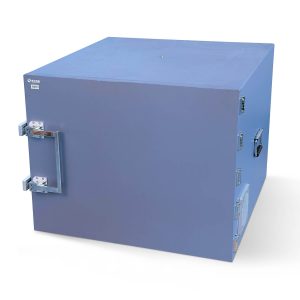
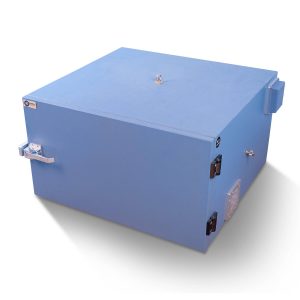
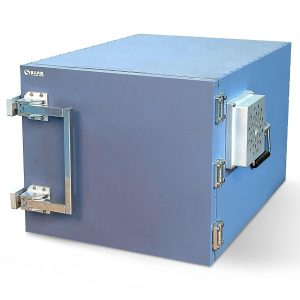
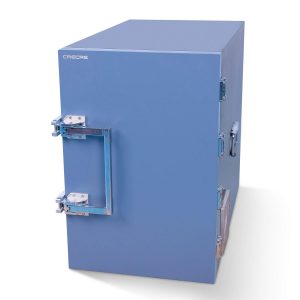
EMC testing requires specialized equipment to generate, measure, and analyze electromagnetic signals.
Typical EMC test setups may include:
EMC pre-compliance testing is performed during product development to identify potential EMC issues early.
Compliance testing, on the other hand, is conducted to verify conformity with official standards before product certification.
Pre-compliance testing helps engineers:
EMC testing is governed by international and regional standards, depending on product type and market requirements.
Common EMC standards frameworks include requirements for emissions, immunity, and test methodologies.
Examples include standards for:
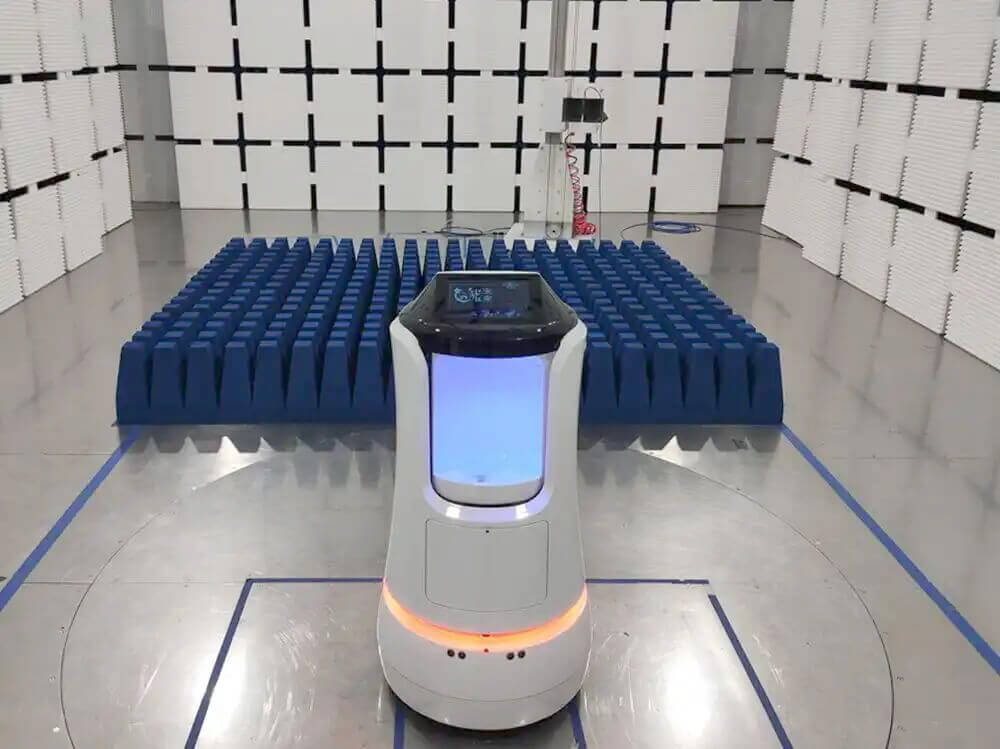
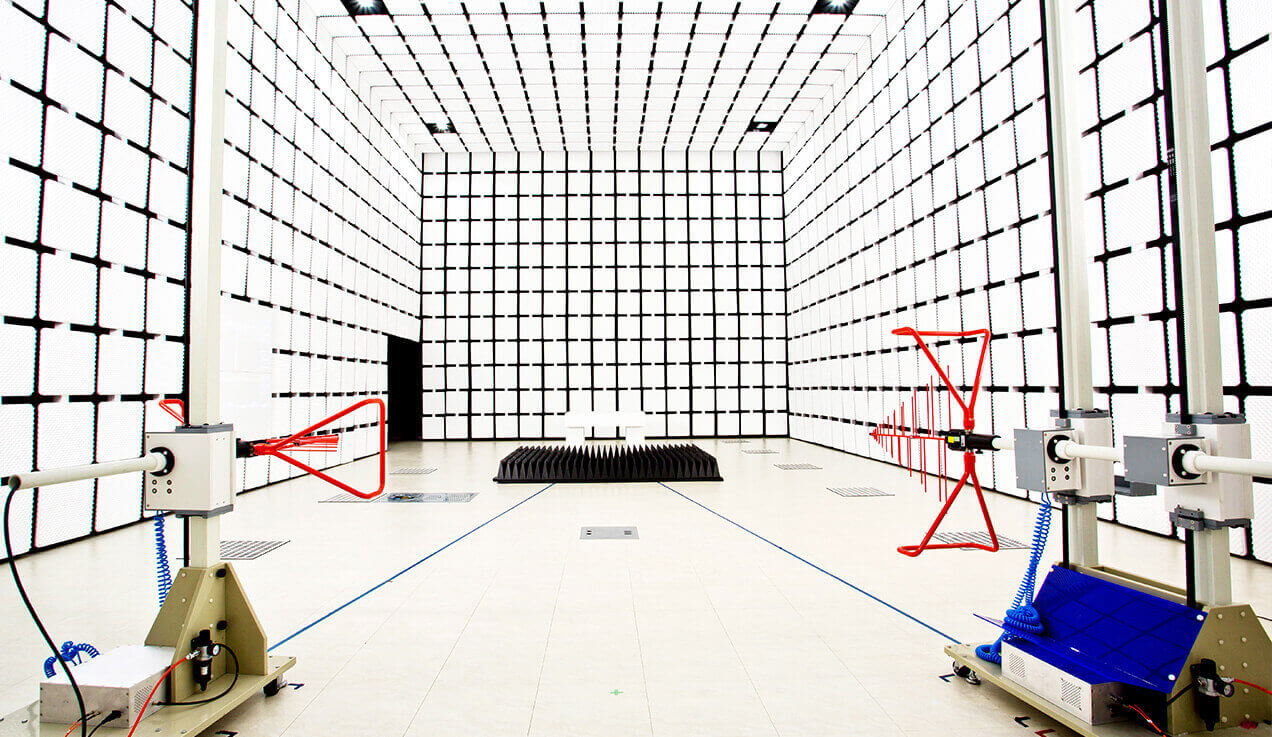
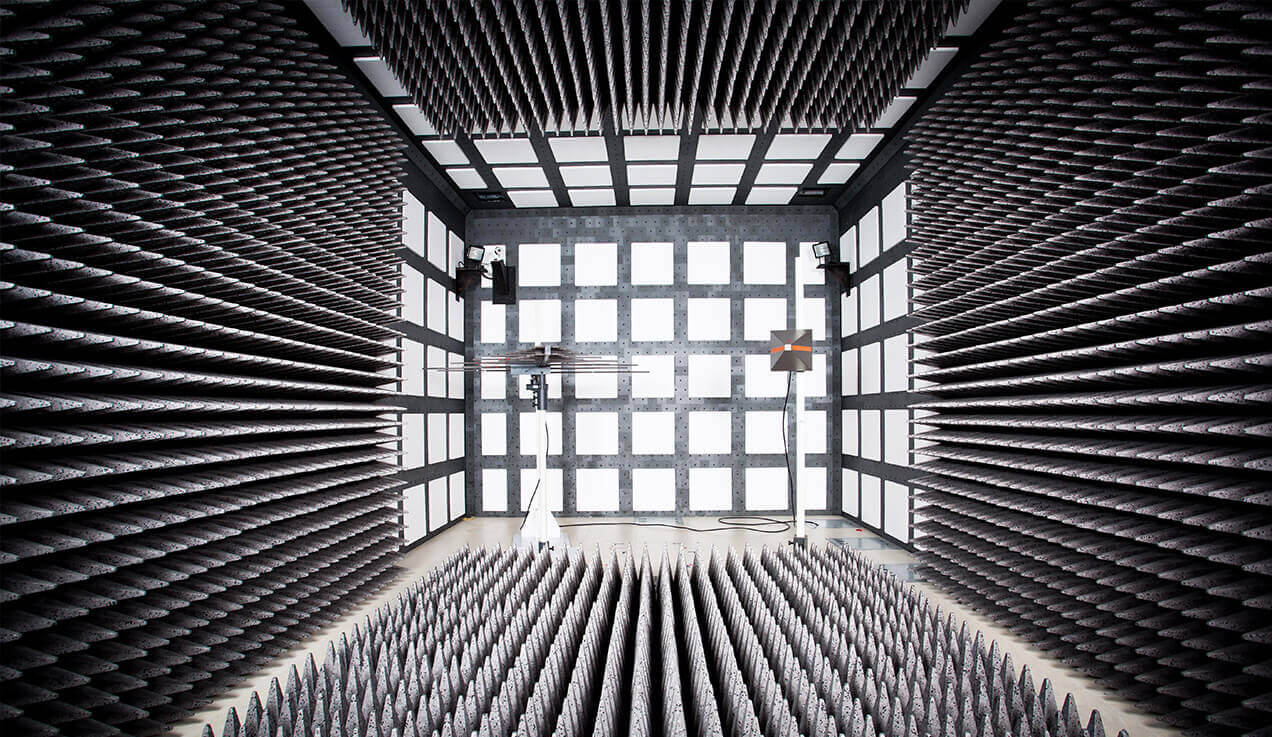
EMC testing is conducted in controlled environments to ensure accurate and repeatable measurements, such as:
The choice of environment depends on frequency range, test requirements, and applicable standards.
Before EMC testing, engineers should:
Proper preparation improves test efficiency and reduces the likelihood of test failures.
EMC testing plays a vital role in ensuring electronic products function reliably and coexist safely with other devices.
By understanding EMC principles, test methods, and typical equipment, engineers can reduce risk, improve product quality, and achieve regulatory compliance more efficiently.