IEC 61000-4-2 is one of the most widely used EMC immunity standards for evaluating electrostatic discharge (ESD) immunity performance of electronic products.
Electrostatic discharge can cause system reset, communication interruption, display malfunction, data corruption, or even permanent hardware damage in sensitive electronic devices.
This article explains how IEC 61000-4-2 ESD testing works, including ESD simulator setup, contact discharge testing, air discharge testing, and common causes of ESD test failure.
What Is IEC 61000-4-2?
IEC 61000-4-2 defines standardized electrostatic discharge immunity test methods used for commercial, industrial, medical, and communication electronics.
The test simulates static electricity discharge generated by human contact or nearby objects.
Typical ESD voltage levels include:
The standard defines:
– Contact discharge testing
– Air discharge testing
– Ground reference setup
– ESD waveform requirements
– Test repetition procedures
Why ESD Testing Is Important
Modern electronic systems are becoming increasingly sensitive to transient electromagnetic interference.
Common ESD failure symptoms include:
– LCD display flicker
– Touchscreen malfunction
– MCU reset
– Communication interruption
– Sensor instability
– USB or Ethernet communication failure
ESD immunity testing helps engineers evaluate product robustness before market release.
Typical IEC 61000-4-2 Test Setup
A standard ESD immunity test setup includes:
– ESD simulator gun
– Horizontal coupling plane
– Vertical coupling plane
– Ground reference plane
– Insulating support table
The ESD simulator generates high-voltage transient pulses that replicate real electrostatic discharge events.
Proper grounding configuration is critical for repeatable ESD test results.
Contact Discharge vs Air Discharge
Contact Discharge Testing
Contact discharge directly applies the ESD gun tip to conductive surfaces.
This method provides:
– Better repeatability
– Stable waveform control
– More accurate testing conditions
Air Discharge Testing
Air discharge creates an electrical arc through air gaps.
This method is used for:
– Non-conductive surfaces
– Plastic enclosures
– User-accessible areas
Because air humidity and approach speed affect discharge behavior, air discharge testing is less repeatable than contact discharge testing.
Common Causes of ESD Test Failure
Many products fail IEC 61000-4-2 because of insufficient EMC design protection.
Typical causes include:
– Poor PCB grounding
– Weak TVS protection
– Inadequate shielding
– Floating metal structures
– Long signal traces
– Poor cable grounding
Improper enclosure bonding can also create strong ESD current coupling paths.
PCB Design Considerations for ESD Protection
Good PCB layout design is critical for improving ESD immunity.
Recommended design practices include:
– Short return current paths
– Proper chassis grounding
– TVS diode placement near connectors
– Separation of noisy and sensitive circuits
– Controlled grounding structure
ESD energy often enters products through I/O interfaces and cable connections.
Importance of EMC Pre-Compliance ESD Testing
Many EMC failures can be identified early using pre-compliance ESD testing systems.
Benefits include:
– Faster EMC debugging
– Reduced redesign cost
– Improved EMC reliability
– Lower certification risk
Pre-compliance EMC testing is especially important for RF wireless devices, industrial control systems, and touch display products.
Related EMC Equipment for ESD Testing
Typical EMC equipment used for ESD and immunity testing includes:
– ESD simulators
– RF immunity amplifiers
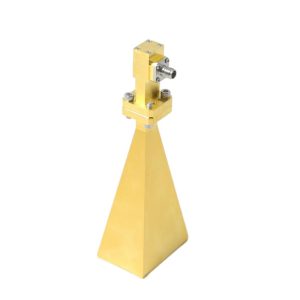
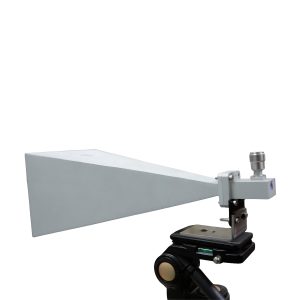
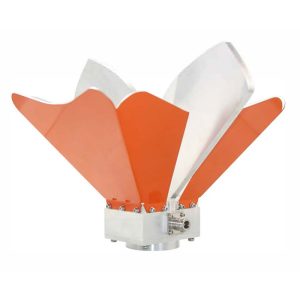
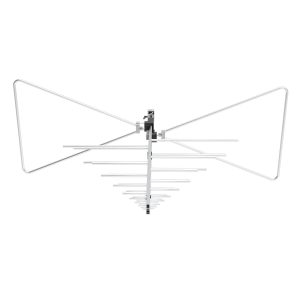
– EMC antennas
– Shielded rooms
– Semi-anechoic chambers
In practical EMC laboratories, ESD testing is often integrated together with radiated immunity and conducted immunity testing systems.
IEC 61000-4-2 ESD failures are usually related to PCB grounding quality, transient suppression design, enclosure bonding, and uncontrolled discharge current paths.
In many EMC projects, improving grounding continuity and reducing high-frequency coupling paths can provide more effective ESD protection than simply increasing TVS component quantity.