







Electromagnetic Compatibility (EMC) compliance and testing standards, including FCC, CISPR, EN, and ISO, are critical for electronic products sold worldwide. Engineers must understand global EMC standards, radiated emissions (RE), radiated susceptibility (RS), and automotive or industrial testing requirements to ensure first-pass certification and avoid costly retesting. Many articles simply list standards without actionable guidance, but this article focuses on practical insights for implementing global EMC compliance efficiently.
FCC Part 15 focuses on radiated emissions and radiated susceptibility and is mandatory for US markets, covering frequencies from 30 MHz to 1 GHz for low frequencies and 1–6 GHz for high frequencies. This standard applies to IT equipment, wireless devices, and consumer electronics, typically tested in 3-meter or 10-meter anechoic chambers. CISPR 11 provides technical guidance for industrial equipment from 150 kHz to 30 MHz and is often referenced when aligning with EN standards. CISPR 32 applies to multimedia devices from 150 kHz to 6 GHz and maps directly to EN 55032. EN 55032 is required for CE marking in the EU and also covers 150 kHz to 6 GHz, though EU limits differ slightly from CISPR. ISO 11452 focuses on radiated susceptibility for automotive electronics from 20 MHz to 400 MHz and requires realistic vehicle simulation setups, such as ALSE or BCI. Choosing the wrong standard or test setup can easily result in 50–100% rework.
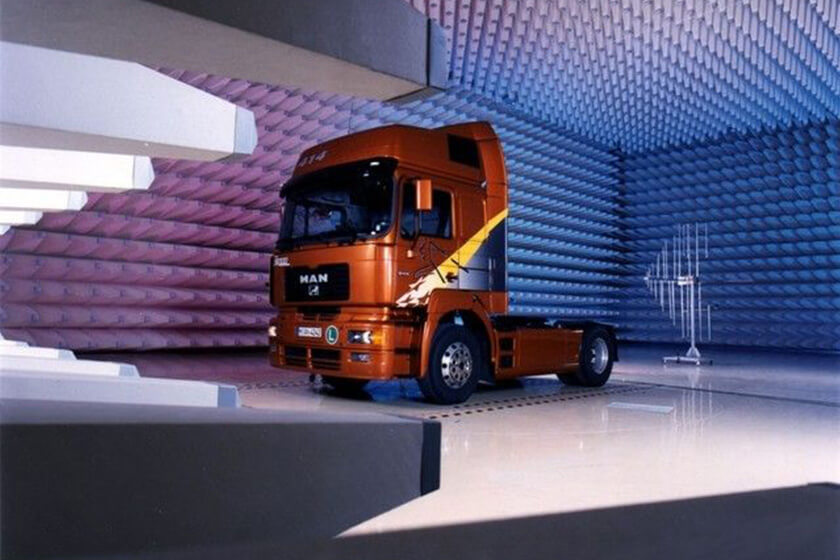
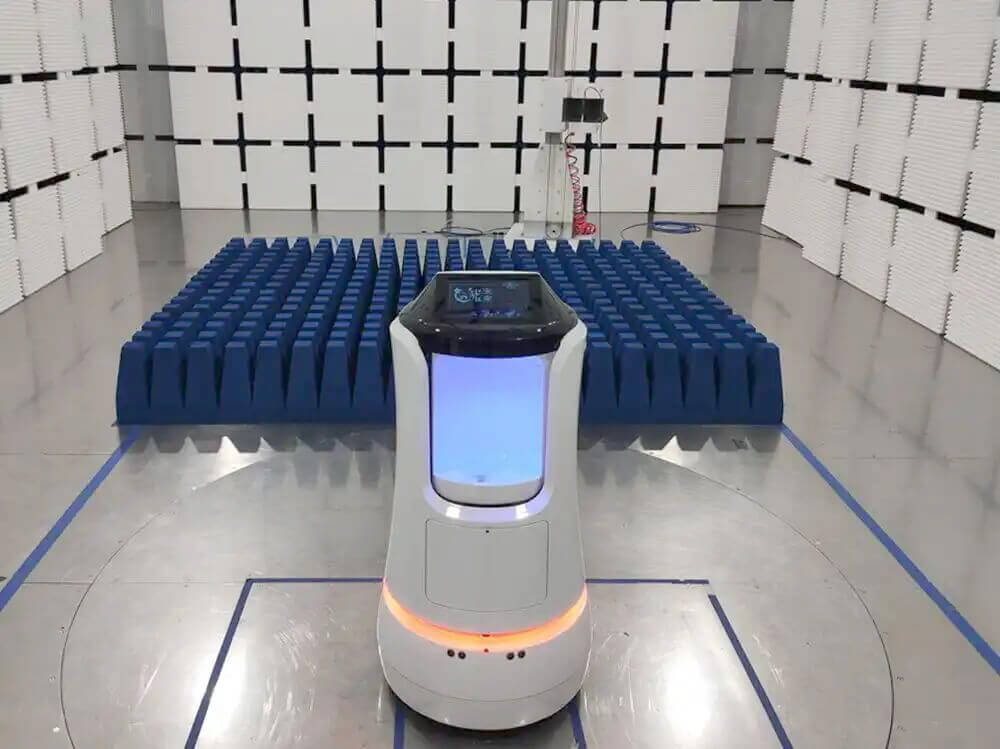
Test distance and chamber configuration greatly affect measurement accuracy. A 3-meter anechoic chamber is suitable for small devices, modules, or low-power wireless products. A 5-meter chamber works for medium-sized devices, such as drones or industrial instruments, while a 10-meter chamber is necessary for large equipment, vehicles, or communication stations. Many EMC test failures result from incorrect test distances or poor chamber setup, producing signal measurement errors exceeding 20–30%.

Common practical pitfalls include misapplying CISPR 11 when targeting EN 55032 compliance, using incorrect radiated susceptibility environments, ignoring antenna height and polarization, or confusing radiated emissions and radiated susceptibility setups. ISO 11452 BCI or ALSE tests must replicate realistic vehicle conditions; using a standard lab alone can generate deviations of over 50%. Correct chamber setup, antenna placement, and realistic RS simulation are often more critical than minor device design adjustments.
To apply EMC standards effectively, engineers should map product type to the target market, select the appropriate standard, configure the correct test chamber, and ensure proper test distance and polarization. Maintaining internal reference notes and sharing them with testing labs reduces misinterpretation and repeated testing. Teams that implement standards correctly during design phase avoid delays, reduce costs, and increase the likelihood of first-pass certification success.