EMC testing is designed to produce repeatable and standardized results, but measurement accuracy depends heavily on how the laboratory is operated. Even in accredited EMC laboratories, improper test setup, incorrect equipment configuration, or inconsistent operating procedures can introduce significant measurement errors.
Understanding common EMC testing errors helps engineers improve test repeatability, reduce unnecessary retesting, and increase confidence in compliance results.
Incorrect Test Setup Configuration
One of the most frequent laboratory errors is an incorrect test setup.
Common issues include:
* Wrong antenna distance
* Incorrect DUT orientation
* Improper cable routing
* Missing grounding connections
* Incorrect table height
These factors directly influence radiated emission and radiated immunity measurements.
When testing according to IEC 61000-4-3 or CISPR standards, even small setup deviations can affect final results.
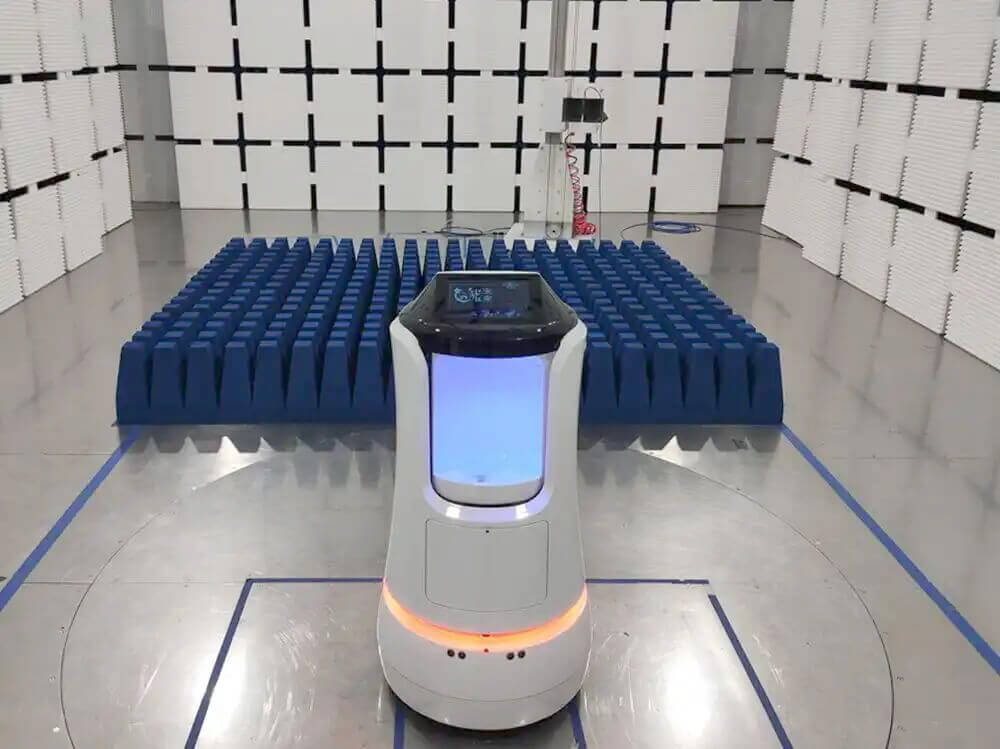
Laboratories establishing new facilities often rely on complete EMC laboratory setup solutions to standardize equipment layout and testing procedures.
Improper EMC Antenna Selection
Different frequency ranges require different EMC antennas.
Using the wrong antenna can lead to:
* Reduced measurement sensitivity
* Poor field uniformity
* Calibration difficulties
* Increased measurement uncertainty
Typical antenna selection includes:
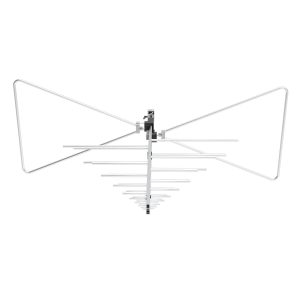
* Biconical antennas for lower frequencies
* Log-periodic antennas for broadband measurements
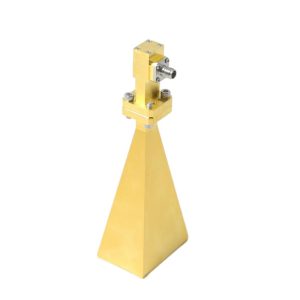
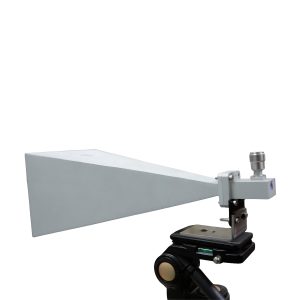
* Double-ridged horn antennas above 1 GHz
Selecting the appropriate EMC antenna ensures accurate measurements across the required frequency range.
Calibration Is Not Performed Regularly
Calibration is essential for every EMC laboratory.
Equipment requiring routine calibration includes:
* EMI receivers
* RF power amplifiers
* Field probes
* Antennas
* LISNs
* Cables and attenuators
Out-of-calibration equipment may produce inaccurate EMC data without obvious warning signs.
Periodic verification helps maintain compliance with laboratory quality systems.
Cable Arrangement Errors
Cable placement is often underestimated during EMC testing.
Common mistakes include:
* Excess cable length
* Looped cables
* Improper shield grounding
* Inconsistent routing
External cables frequently become unintended antennas during testing.
Poor cable management can change radiated emission levels or increase RF susceptibility during immunity testing.
Following standardized cable layouts is essential for repeatable results.
Incorrect RF Field Calibration
Radiated immunity testing requires accurate RF field calibration before testing begins.
Typical calibration errors include:
* Incorrect field probe position
* Poor antenna alignment
* Incomplete field uniformity verification
* Amplifier output instability
High-power RF power amplifiers should provide stable output throughout the frequency sweep to maintain the required field strength.
Without proper calibration, immunity test results may not accurately represent actual product performance.
Grounding and Bonding Problems
Improper grounding inside the laboratory can influence EMC measurements.
Typical issues include:
* Poor ground plane connections
* Loose bonding straps
* High ground impedance
* Floating conductive structures
Grounding errors can introduce unwanted noise and reduce measurement repeatability.
Regular inspection of grounding systems is an important part of laboratory maintenance.
Environmental RF Interference
Although EMC chambers are designed to minimize external interference, environmental RF noise can still affect measurements if shielding performance is compromised.
Potential interference sources include:
* Nearby radio transmitters
* Wi-Fi access points
* Mobile communication systems
* Industrial equipment
Routine chamber verification helps ensure background noise remains below acceptable limits.
Software Configuration Errors
Modern EMC laboratories rely heavily on automated measurement software.
Incorrect software settings may result in:
* Wrong detector selection
* Incorrect frequency range
* Improper limit lines
* Incomplete scan parameters
Before every compliance project, engineers should verify software configuration against the applicable EMC standard to avoid unnecessary retesting.
Reducing EMC Laboratory Errors
Reliable EMC measurements depend on more than high-quality equipment.
Consistent procedures, calibrated instruments, proper antenna selection, standardized cable routing, and regular verification all contribute to accurate and repeatable compliance testing.
By minimizing laboratory-related errors, engineers can focus on genuine EMC design issues rather than measurement inconsistencies.