A practical EMC testing laboratory is not built by simply purchasing several instruments. The real challenge is making the chamber, EMI measurement equipment, RF system and test accessories work together for the products being tested.
For manufacturers and laboratories, the first question should not be “which model should we buy?” but “what kind of products and standards will this lab support?”
Start with the Product, Not the Equipment
Different products need different EMC test setups.
For example, a small power adapter or control board may mainly require conducted emissions testing, so the setup may focus on an EMI receiver or spectrum analyzer, LISN, probes and basic shielding accessories.
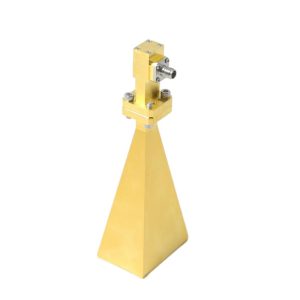
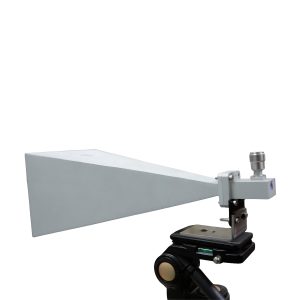
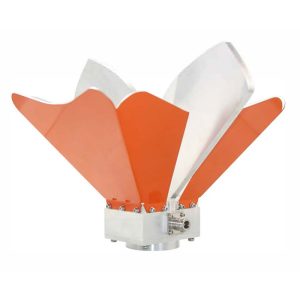
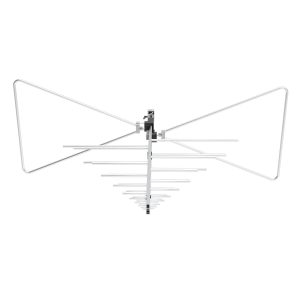
But for an automotive ECU, industrial controller or medical device, the requirement may include radiated emissions, radiated immunity, ESD, surge and EFT testing. In this case, the laboratory may need a more complete EMC testing system, including an EMC chamber, antennas, RF amplifiers, monitoring devices and control software.
This is why EMC equipment selection should always start from the product application and test scope.
Chamber Size Should Match Real Test Conditions
An EMC chamber is often the largest investment in an EMC lab, but bigger is not always better.
A compact chamber may be enough for small electronics, wireless modules or internal pre-compliance checks. However, larger products, automotive components or systems with long cables may need more space for proper test distance, antenna movement and cable layout.
For example, if the product requires a 3-meter radiated emissions test setup, the chamber design, absorber layout and antenna position must support that test condition. If the chamber is selected only by price or available room size, it may limit future testing capability.
EMI Testing Helps Find Problems Earlier
Many EMC problems appear late because products are only tested near certification.
With suitable EMI testing equipment, engineers can check emission risks earlier during development. A typical setup may include an EMI receiver, spectrum analyzer, LISN, near-field probes, current probes and RF cables.
For example, if a power supply board shows strong noise at certain frequencies, near-field probes can help locate whether the source comes from switching components, PCB layout, grounding or cable radiation. This kind of early check can reduce repeated redesign before formal compliance testing.
RF Configuration Needs System Matching
For radiated immunity testing, the RF testing solution should be configured as a complete chain, not separate products.
Signal generator, RF amplifier, antenna, field probe, coupler, cables and software all affect the final field strength and test stability. Cable loss, antenna gain and amplifier power should be considered together.
For example, using a stronger amplifier does not automatically make the system better if the antenna, chamber condition or cable setup is not matched. A balanced RF configuration is usually more practical than simply choosing the highest-power device.
Engineering Support Matters
A complete EMC laboratory solution is also about planning and integration.
Room size, power supply, grounding, ventilation, cable routing, equipment layout and operator space can all affect long-term use. These details may look small during purchasing, but they often decide whether the lab is easy to operate after installation.
For companies building or upgrading an EMC test facility, engineering support can help connect product requirements with chamber planning, EMI testing equipment, RF testing solutions and future expansion.
A useful EMC lab is not just a collection of equipment. It should be planned around real products, real test standards and real operating conditions.
When the EMC chamber, EMI testing equipment, RF system and engineering layout are properly matched, the laboratory can support more reliable testing and smoother product compliance work.