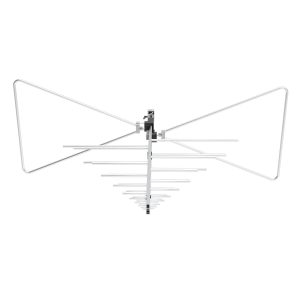

Electromagnetic Compatibility (EMC) testing determines whether electronic products can operate properly in real electromagnetic environments and whether they meet global regulatory requirements. A failed EMC test often leads to certification delays, redesign costs, and obstacles to entering key markets. When this happens, a systematic approach is essential.
Understanding the purpose of EMC testing helps clarify improvement direction. EMC standards such as EN 55032, CISPR 32, and FCC Part 15 define limits for emissions and immunity performance. These standards ensure that products do not cause harmful interference and remain operational in the presence of electrical noise.
A review of the failed test items usually reveals the most likely problem areas—radiated emissions, conducted emissions, ESD immunity, electrical fast transients, or surge susceptibility. Test data, combined with diagnostic tools like near-field probes or current clamps, can help pinpoint whether the source comes from PCB layout, cabling, shielding leakage, or power supply noise.
Design optimization is often the most effective solution. EMI filters can be added to power or signal lines, shielding structures can be strengthened, and PCB layout can be refined with better return paths, shorter loops, improved layer stacking, and cleaner separation of noisy and sensitive circuits. Proper grounding, including chassis bonding and multi-point grounding, also significantly enhances EMC performance.

Immunity improvements can further reduce failure risk. Power supply circuits can be redesigned for better noise rejection, transient protection devices can be added, and shielded connectors or cables can be introduced. Strengthening enclosure contact surfaces or sealing gaps with conductive gaskets helps suppress external interference.
After modifications, a re-test is essential to verify compliance. A partial re-test helps confirm immediate improvements, while a full re-test ensures the product meets all regulatory requirements. Reliable results depend on correct test setups, calibrated equipment, and proper test environments.

Long-term EMC reliability comes from continuous design improvement. Early-stage EMC planning, simulation, and pre-compliance testing reduce the likelihood of late-stage redesigns. Products developed with EMC in mind tend to exhibit higher stability, better user experience, and stronger competitiveness in global markets.
Additional topics related to EMC testing can further support development teams. EMC is essential for product reliability, safety, and regulatory approval across industries including consumer electronics, automotive, industrial automation, medical equipment, and aerospace. Effective EMC design principles—such as shielding, grounding, PCB layout, and power integrity—remain central to meeting modern compliance demands. Future challenges involve complex wireless systems, IoT devices, EV power systems, and densely integrated embedded platforms.